
Under 4 minutes
Fast Analysis
Get comprehensive oral injury analysis in seconds, not hours
MouthWise is an AI assistant that helps oral professionals analyze, document, and classify oral injuries with speed and accuracy.
Uploading image
Differential diagnosis
Suggested next step
Our AI-powered oral injury analyst helps you save time and improve accuracy
Get comprehensive oral injury analysis in seconds, not hours
Generate comprehensive reports and documentation for each case
AI-powered diagnosis based on established oral injury standards
No new hardware, no training sessions. Photograph, describe, and let MouthWise draft the rest.
Add intraoral photos and the structured intake: site, size, colour, history and habits.
MouthWise analyses the image against established oral injury standards and drafts the findings.
Check the report, adjust what you need, and export a PDF for your records or a referral.
Stay current on AI workflows, compliance, and patient communication with expert insights from the MouthWise team.
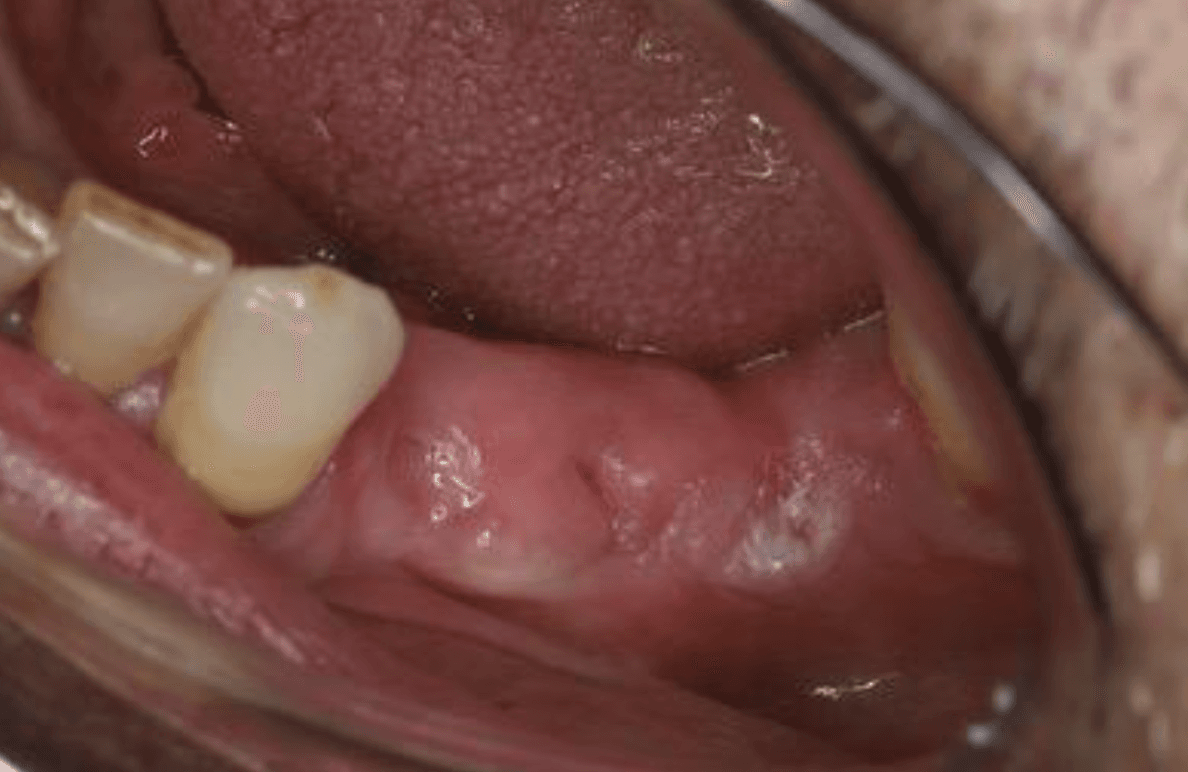
This week at the clinic, I received a patient for a periodontal re-evaluation. He is a heavy smoker and, during the appointment, presented with a white lesion on the alveolar ridge, which he didn’t remember having been previously observed. I also hadn’t noticed it in earlier visits. I took a photo of the lesion and used MouthWise’s free-text option to help with the diagnosis. Curiously, this patient is also my assistant’s husband, which made the situation even more interesting. I left MouthWise analyzing while I completed my re-evaluation periodontal charting and took the chance to discuss with the patient the next steps of periodontal treatment. By the time I finished, the email with the possible diagnosis had arrived, which confirmed my suspicion: leukoplakia. I explained to the patient what the lesion could mean, and we scheduled a confirmatory biopsy, ensuring the case would be followed in the safest and most appropriate way. This experience reinforces how technology, combined with clinical observation, can help identify situations that could go unnoticed and allow more informed decisions in patient care.
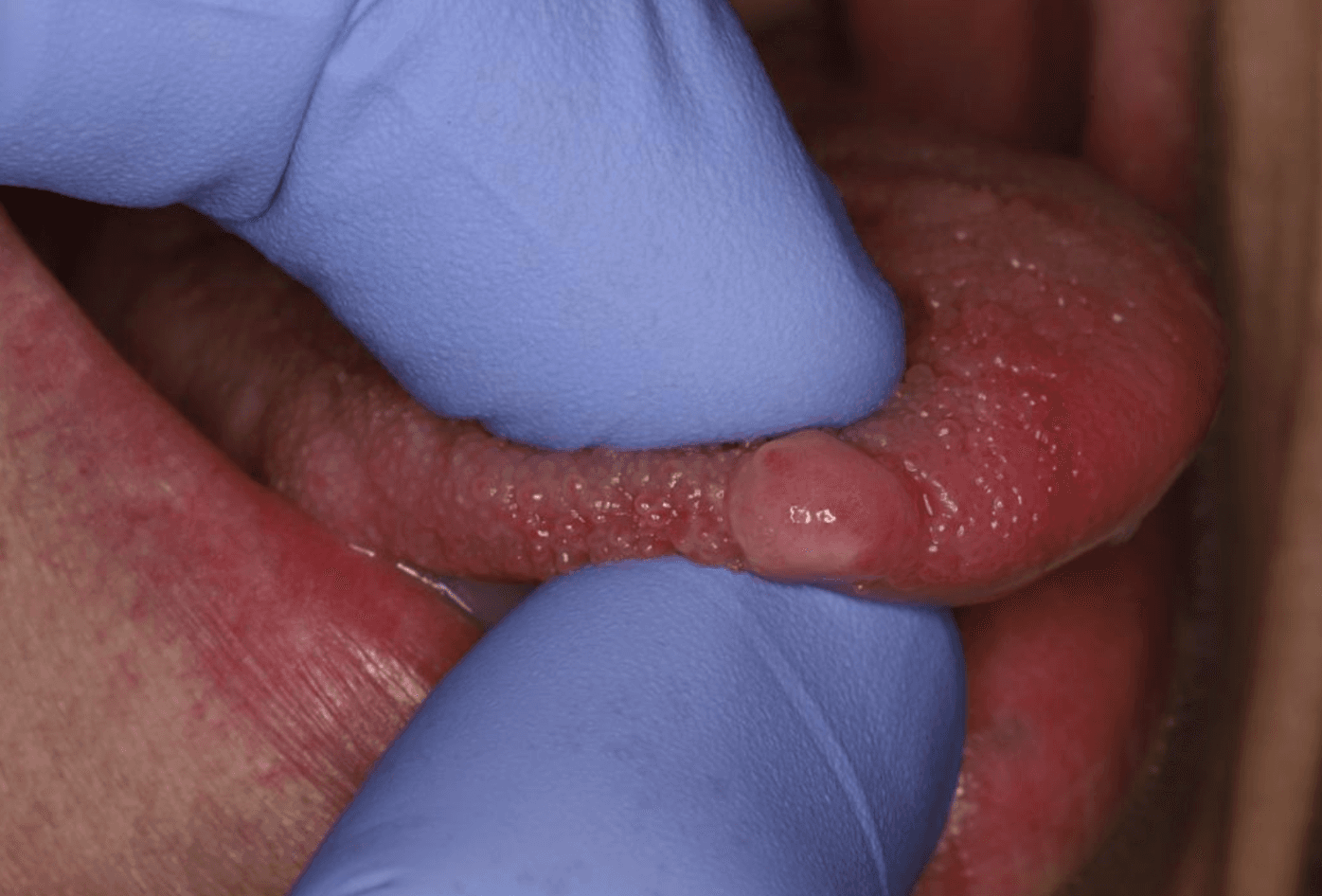
Today I had a curious day at the clinic: I received a colleague so we could evaluate together a lesion that had appeared on his tongue. From his clinical history, the diagnosis was not very difficult, and he already had an idea of what it could be. But since I helped build MouthWise, I thought it would be a great case to show him how the tool works in practice, with a real example. We took a photo of the lesion and, side by side, filled out the questionnaire that describes all the details of what he presented. While he reflected on the case, we aligned the next steps: when it would be possible to remove the lesion and what care he should take before and after the procedure. When we finally received the full report—which confirmed exactly the diagnosis we had assumed and brought all the detailed information—my colleague was truly impressed by the tool’s accuracy and usefulness. It was one of those moments that show how technology can be an incredible ally in clinical practice: it helps clarify doubts, increases confidence in the diagnosis, and enables learning together with other professionals.
Practical notes on image uploads, AI accuracy, and clinical adoption so you can brief your staff in minutes.
Remove any patient identifiers before upload. MouthWise automatically flags PHI but we recommend cropping name overlays and ensuring metadata is stripped.
Most analyses finalize within four minutes. You will receive an email notification with the report as soon as processing completes.
Yes. Download structured PDFs or copy the AI summary into your EHR. Premium plans include automatic cloud storage and audit logs.
Try MouthWise today and experience the power of AI-assisted oral injury analysis.
Talk To Us